Trending...
- 450 Million Revenue Run Rate, Global Telecom Reach and a New Digital Growth Opportunity Take Center Stage: IQSTEL, Inc. (N A S D A Q: IQST)
- Canada's First Data Lakehouse Goes Global in Banking: Nabil Bank Becomes Nepal's First Bank to Implement a True Agentic Lakehouse Platform, DataNature
- RAS AP Consulting Releases Educational Resource to Help Organizations Prepare for IRS FIRE-to-IRIS Transition
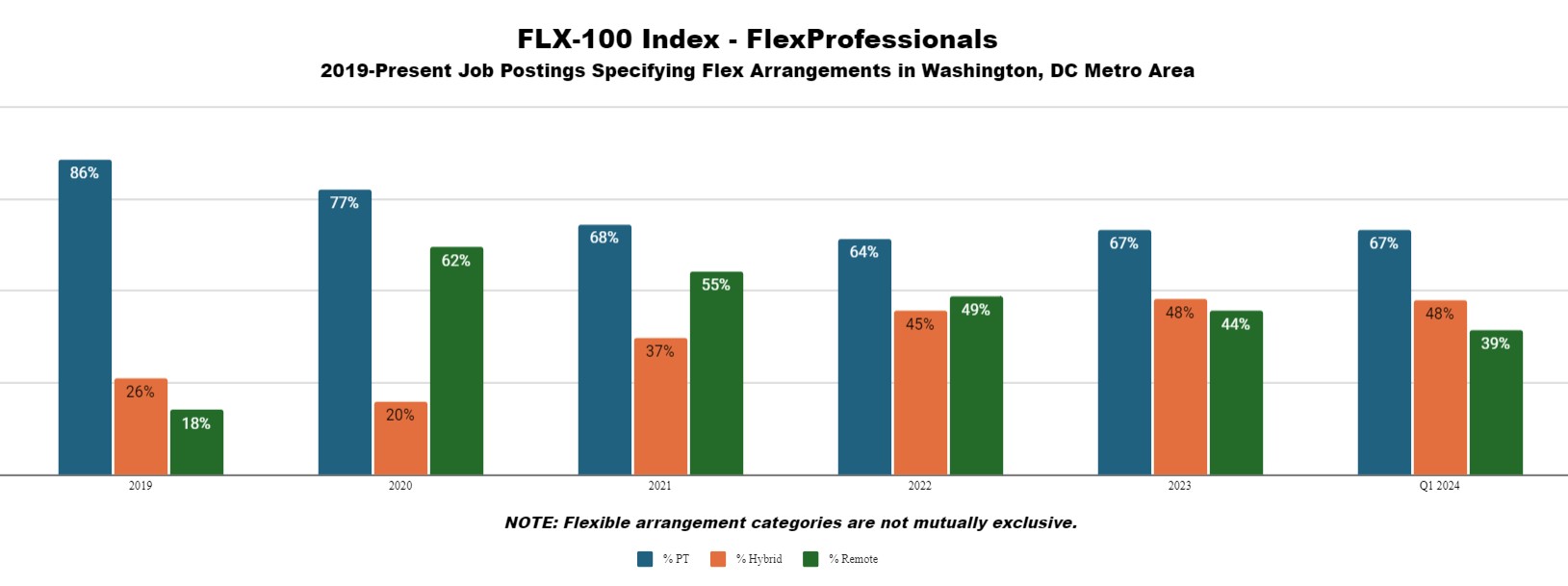

FAIRFAX, Va. - ncarol.com -- The Washington, D.C. metropolitan area's small and medium-sized business (SMB) community is taking a cautious approach to the labor market, with most leaders emphasizing flexibility and adaptability in their hiring practices to navigate the current economic landscape, according to Gwenn Rosener, CEO and co-founder of Fairfax, Virginia-based FlexProfessionals, a recruiting and staffing agency for experienced professionals. The company has worked with over 1000 companies, placing talent for between 100 and 200 clients annually.
The company published its inaugural edition of the FLX-100 Index, a quarterly report on workforce hiring trends impacting the labor market since the COVID-19 pandemic.
"It's been incredible to see the changes that have unfolded in this region since the pandemic, especially when it comes to the flexible workplace," says Rosener in a podcast interview for journalists.
Before the crisis, "flexibility" typically referred only to part-time remote work – then known as telecommuting – and was relatively uncommon.
"While platforms like Zoom or Teams existed, their widespread adoption was limited. Concepts like hoteling or executive office space were not prevalent, and remote work was often cumbersome and not seen as very productive," she notes.
The picture has changed dramatically since the pandemic and the establishment of a "new normal."
"There has been a notable shift in employee attitudes towards work. Many candidates have come to appreciate the value of flexibility, enjoying the relief from distractions and increased focus that comes with working from home. They've cherished the extra time spent with family and feel more productive in this setup than in the office," says Rosener.
More on ncarol.com
The situation with employers is a bit more complicated.
"During the pandemic, most of them posted job openings and said they were 'temporarily virtual' until the end of the pandemic, after which they planned to move back into the office. But that is not happening because employees are refusing to do it. As a result, we're seeing most employers adopt a more nuanced stance on the remote and hybrid work equation. They're starting to loosen up a bit. They are reevaluating the criteria for certain jobs and certain candidates," says Rosener.
Businesses that embrace and integrate flexibility into their organizational structures—rather than resisting it—will likely gain a competitive edge in the labor market. According to Rosener, it is a particularly effective strategy for small business leaders, who often have more flexibility in offering such positions than decision-makers in larger corporations. Smaller businesses can use flexibility to compete more effectively for talent against larger employers who may offer greater compensation, benefits or professional development opportunities.
Key observations to emerge from the FLX-100 Index include:
These trends underscore the cautious and dynamic nature of the post-COVID labor market in the DC, Virginia, and Maryland (DMV) region and illustrate the rising role of workplace flexibility and adaptability in navigating the evolving landscape.
More on ncarol.com
###
[Editorial Note: To read the full Q&A and listen to the audio interview with Gwenn Rosener Click Here]
The company published its inaugural edition of the FLX-100 Index, a quarterly report on workforce hiring trends impacting the labor market since the COVID-19 pandemic.
"It's been incredible to see the changes that have unfolded in this region since the pandemic, especially when it comes to the flexible workplace," says Rosener in a podcast interview for journalists.
Before the crisis, "flexibility" typically referred only to part-time remote work – then known as telecommuting – and was relatively uncommon.
"While platforms like Zoom or Teams existed, their widespread adoption was limited. Concepts like hoteling or executive office space were not prevalent, and remote work was often cumbersome and not seen as very productive," she notes.
The picture has changed dramatically since the pandemic and the establishment of a "new normal."
"There has been a notable shift in employee attitudes towards work. Many candidates have come to appreciate the value of flexibility, enjoying the relief from distractions and increased focus that comes with working from home. They've cherished the extra time spent with family and feel more productive in this setup than in the office," says Rosener.
More on ncarol.com
- Tek84 Unveils New Brand Identity Built to Magnify What Security Officers Can Do
- CoreVar Announces Cooking with AI, an Eight-Topic Live Webinar Series
- Mr Hospital Bed Cites Hill Rom Hospital Bed Models Best Value Home Care Hospital Beds 2026
- WOWX labs Closes US$10 Million Founder-Led Growth Financing as WOWX.market Enters Scale Phase
- BESTBUYSTORE opens its dropshipping model to independent merchants
The situation with employers is a bit more complicated.
"During the pandemic, most of them posted job openings and said they were 'temporarily virtual' until the end of the pandemic, after which they planned to move back into the office. But that is not happening because employees are refusing to do it. As a result, we're seeing most employers adopt a more nuanced stance on the remote and hybrid work equation. They're starting to loosen up a bit. They are reevaluating the criteria for certain jobs and certain candidates," says Rosener.
Businesses that embrace and integrate flexibility into their organizational structures—rather than resisting it—will likely gain a competitive edge in the labor market. According to Rosener, it is a particularly effective strategy for small business leaders, who often have more flexibility in offering such positions than decision-makers in larger corporations. Smaller businesses can use flexibility to compete more effectively for talent against larger employers who may offer greater compensation, benefits or professional development opportunities.
Key observations to emerge from the FLX-100 Index include:
- Caution Among Small and Mid-sized Businesses: SMB leaders in the region remain cautious and hesitant amid current local, national and even global uncertainties. Challenges such as employee turnover, poor hiring decisions, and ongoing debates over remote work have contributed to this atmosphere of caution. As a result, many businesses are opting to wait for economic stabilization before venturing into significant hiring initiatives.
- Shift Towards Hybrid Work Arrangements: Work arrangements that blend remote and in-office work are gaining traction as the preferred option for employers and job seekers. This model offers flexibility to employees while maintaining team connectivity and fostering collaboration. As the pandemic recedes, hybrid work arrangements are rising while fully remote job opportunities are declining.
- Preference for Part-time Jobs: Since the pandemic, a notable preference for posting part-time job opportunities has emerged among SMBs. This trend mirrors the post-Great Recession era in 2009, when companies turned to part-time positions as a strategic approach to rebuilding amidst economic uncertainty. Part-time roles are experiencing growth alongside the adoption of hybrid work arrangements.
- Lack of Trust Between Employers and Job Seekers: A palpable lack of trust has emerged between employers and job seekers in the current labor market as the hiring process has shifted virtual and employers are still feeling the pain of the turmoil in the labor market over the past few years. Employers have intensified and elongated their hiring processes, implementing multiple interviews and assessments. However, this prolonged vetting period risks losing top candidates to competing offers. Additionally, the remote hiring landscape has added complexity, making it difficult for candidates to fully grasp the working environment and culture, resulting in mutual distrust and increased turnover.
These trends underscore the cautious and dynamic nature of the post-COVID labor market in the DC, Virginia, and Maryland (DMV) region and illustrate the rising role of workplace flexibility and adaptability in navigating the evolving landscape.
More on ncarol.com
- America's Hometown Thanksgiving Parade in Plymouth, MA, on Saturday, November 21, 2026
- Navigating a Changing Market: How AIX Group Is Responding to a Challenging Year
- 450 Million Revenue Run Rate, Global Telecom Reach and a New Digital Growth Opportunity Take Center Stage: IQSTEL, Inc. (N A S D A Q: IQST)
- Wave Helicopters Takes FLIBS 2026 to New Heights
- Canada's First Data Lakehouse Goes Global in Banking: Nabil Bank Becomes Nepal's First Bank to Implement a True Agentic Lakehouse Platform, DataNature
###
[Editorial Note: To read the full Q&A and listen to the audio interview with Gwenn Rosener Click Here]
Source: Mindshare Capture Consulting
0 Comments
Latest on ncarol.com
- RAS AP Consulting Releases Educational Resource to Help Organizations Prepare for IRS FIRE-to-IRIS Transition
- Roots, Rhythm & Joy Invites Neighbors to Find Community Through Music
- Former Goddard Enterprises Managing Director Anthony Ali Joins STS Capital Partners as Managing Director and Partner
- Disney Streamer Network Establishes Creator Code of Conduct
- Heritage at Manalapan Announces Limited-Time Mortgage Rate Buydown on Select Quick Move-In Homes
- Good Organics Now at Pop Up Grocer NYC With October 30 Sampling Event
- KeysCaribbean Announces Temporarily Reduced Rates At Village at Hawks Cay Villas
- Commercial Manufacturing Validation Completed as November 10 FDA Milestone Approaches; Critical FDA Milestone Close: NRx Pharmaceuticals NAS DAQ: NRXP
- Electives Launches "Electives for Everyone," Making Live Expert-Led Learning Available to Every Employee
- Tax Tops the List as Wealthy Brits Plan Their Exit, La Vida Survey Finds
- KayeDinero Drops "CyberLeek" Amid GTA VI Headlines, Unveils Asheville "Barksdale" Visual
- "The Tree of Cinema" Installation Brought Film History and Its Audiences Together at TIFF 2026
- Household Staffing Named 2026 Agency of the Year by the Association of Premier Nanny Agencies
- Detroit Lawyer Steals $600,000 Settlement Meant to Protect Child
- Missing a Tooth? Chapel Hill's Everbright Dental Explains Implants, Bridges and Dentures
- Heritage at South Brunswick Announces Special Townhome Mortgage Rate Buydown
- Heritage at Hopewell Announces Limited-Time Mortgage Rate Buydown on Select Quick Move-In Townhomes
- Air Force Veteran Sean Douglas Delivers Powerful Suicide Prevention Presentations to Hundreds of Marines at Camp Pendleton
- Alvear Homes Releases Free Guide to Mecklenburg County's 2027 Property Revaluation
- Renew Integrative Health Publishes Updated Peptide Therapy Guide to Help Patients Understand Their Options