Trending...
- 450 Million Revenue Run Rate, Global Telecom Reach and a New Digital Growth Opportunity Take Center Stage: IQSTEL, Inc. (N A S D A Q: IQST)
- Canada's First Data Lakehouse Goes Global in Banking: Nabil Bank Becomes Nepal's First Bank to Implement a True Agentic Lakehouse Platform, DataNature
- RAS AP Consulting Releases Educational Resource to Help Organizations Prepare for IRS FIRE-to-IRIS Transition
VIENNA - ncarol.com -- OncoBeta® GmbH, a global medical device company specialising in innovative therapies for non-melanoma skin cancers (NMSCs), is supporting World Skin Cancer Awareness Month (May 2024) by focusing on educating patients suffering with NMSCs about the various treatment options currently available.
Global incidence continues to rise, with over 7.7 million cases of NMSC recorded annually.1 In response, the medical community is striving to enhance standard treatments and embrace new alternative approaches, enabling patients to personalise their care based on factors such as lesion localization, size, single or multiple lesions, age, other health conditions, and patient preference – all of which influence treatment selection. The overarching goal is to provide the optimal medical solution, achieve aesthetic outcomes, and prioritise a patient's quality of life.
Gerhard Dahlhoff, OncoBeta Medical Director, says, "Education is critical for addressing the rising rates of NMSCs globally, and knowing different treatment options available will hopefully alleviate the stress and anxiety surrounding a diagnosis. Treatments can impact your work life, home life or even retirement life but thanks to innovative treatment alternatives, you can now find the one that is effective and minimises the impact on your mental and physical wellbeing."
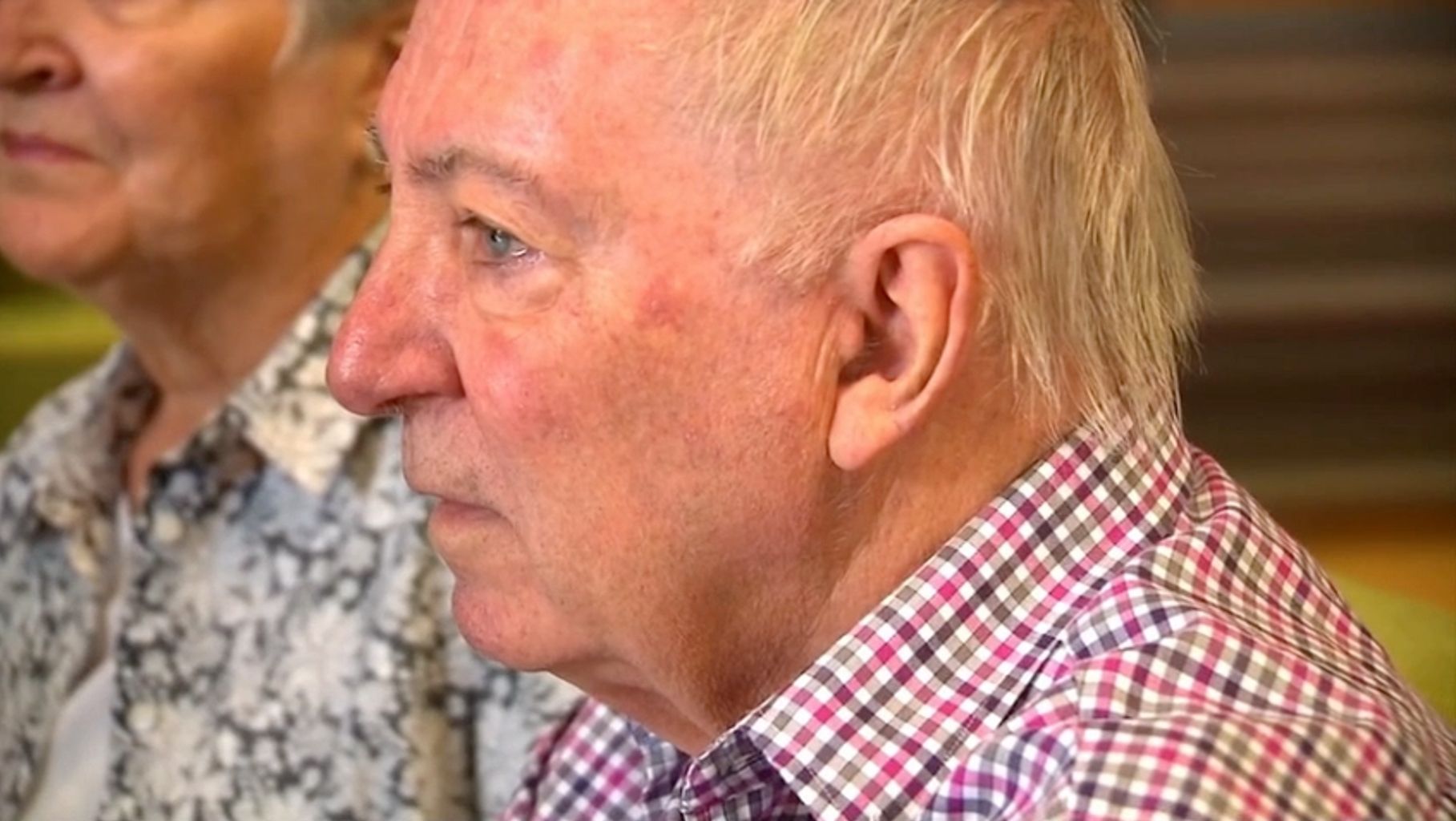
Laurie Leppard, residing in the Gold Coast, Australia, recently underwent treatment for a squamous cell carcinoma (SCC) situated on his left ear. Initial treatment options included surgery, risking disfigurement due to necessary cartilage removal, or radiation that would exacerbate his claustrophobia.
"Traditional radiation would've required me to wear a mask over my face during sessions, which was considerably daunting given my claustrophobia – especially as I would've needed more than 20 daily treatment visits," explains Laurie. "I really wasn't keen for surgery, and worries about more complications, so I made it my mission to research alternatives. When I discovered the newer rhenium-188 treatment – a mask-free, single-session, painless alternative without scarring – I jumped at it. Given that each clinic visit entails a 100km round trip, the single-session rhenium-188 treatment saved me considerable time, energy, discomfort, and disruption to my life."
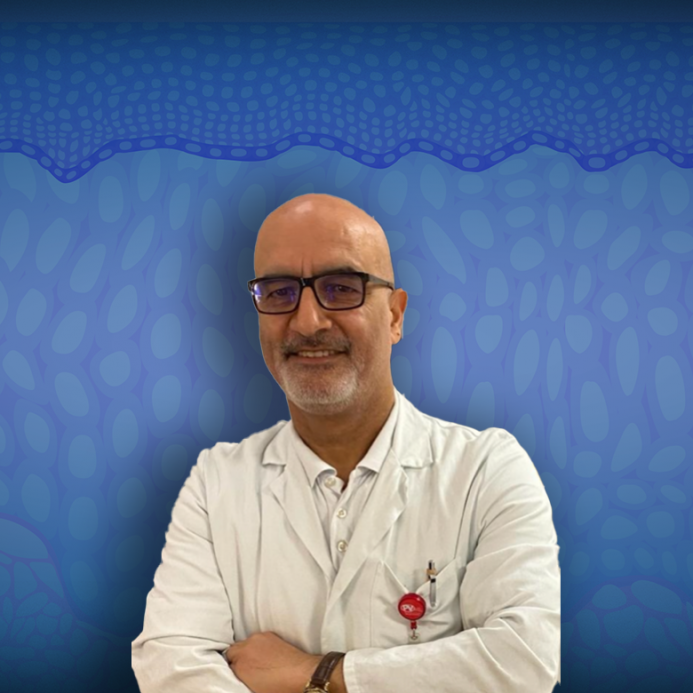
Prof. Dr. Siroos Mirzaei, head of departments of Nuclear Medicine in Clinic Ottakring and Clinic Hietzing in Vienna, says, "Incidence of NMSCs is increasing in Austria, with approximately 30,000 in every year being diagnosed in their lifetime.2 Patients are treated by dermatologists and in some cases also by plastic surgeons. Some patients with lesions in anatomically difficult locations are referred to our department for epidermal radionuclide treatment with rhenium-188."
In 2022, OncoBeta conducted research in Australia with over 1,200 people, to better understand attitudes towards skin health and treatment considerations. Australia has the highest incidence of recorded NMSCs, so this research provides valuable insights. The research asked patients diagnosed with NMSCs what factors they ranked highest: 97% said 'successful removal of the lesion' was extremely or very important. This was followed by 'fast recovery' (90%) then 'quick and easy procedure' (88%). More than three quarters of NMSC patients said a 'painless' procedure was extremely or very important (77%), followed by 'good aesthetic results' (76%) and 'non-invasive' (73%).3 §
More on ncarol.com
"As with the treatment of other oncological diseases, patient comfort, patient preference and the risk of recurrence must be taken into account," adds Prof. Mirzaei. "Of course, the overall cost of the patient's treatment must also be assessed, not forgetting the need for anaesthesia, inpatient treatment, the inability to work and, last but not least, the visible scars on the skin."
Mainstay treatments for NMSC include surgery, radiotherapy, cryotherapy and now epidermal radioisotope therapy, a procedure utilising the beta emitter radioisotope, rhenium-188:
"The non-invasive character and the fantastic aesthetic results are the main reasons for choosing Rhenium-SCT, especially for tumours in a difficult localisation where a more precise therapy can be applied without damage to surrounding tissue," says Prof. Mirzaei.
Early detection is key for treating skin cancer. World Skin Cancer Awareness Month offers key education about NMSCs and is an important reminder for people to regularly get their skin checked by a health professional. Ignoring a change in the skin or avoiding having it checked and monitored by a health professional means it may grow and/or spread to other parts of the body, or in the worst case it may become life-threatening.
More on ncarol.com
OncoBeta's Skin Cancer Treatment Awareness Month campaign is encouraging everyone to visit a GP, dermatologist, or other skin health specialist to inspect any changes to their skin, and if necessary to learn about ALL treatments that are available.
Find out more about treatment alternatives, visit: www.spotdetective.com
About OncoBeta®
OncoBeta®, with its headquarters located in Garching near Munich, Germany, is a privately held medical device company, specializing in the development and commercialization of state-of-the-art, innovative therapies. Since its foundation, OncoBeta has concentrated its efforts on the development, regulatory approval(s), and commercialization of the epidermal radioisotope therapy Rhenium-SCT® (Skin Cancer Therapy), targeting NMSCs. OncoBeta has perfected the customized application and device management system in conformity with all health, safety, and environmental protection regulatory standards.
Find out more about the Rhenium-SCT® at www.oncobeta.com
Follow us on social media:
LinkedIn: www.linkedin.com/company/oncobeta-gmbh/
Facebook: www.facebook.com/oncobeta/
Instagram: www.instagram.com/oncobeta_gmbh/
Forward-looking statements
This announcement includes forward-looking statements that involve risks, uncertainties, and other factors, many of which are outside of OncoBeta's control, and which could cause actual results to differ materially from the results discussed in the forward-looking statements. Forward-looking statements include statements concerning OncoBeta's plans, objectives, goals, future events, performance and/or other information that is not historical information. All such forward-looking statements are expressly qualified by these cautionary statements and any other cautionary statements which may accompany the forward-looking statements. OncoBeta® undertakes no obligation to publicly update or revise forward-looking statements to reflect subsequent events or circumstances after the date made, except as required by law.
*Complete tumour regression in 98.5% of lesions treated.
†No pain reported during procedure.
‡A procedure is considered non-invasive when no break or cut in the skin is created.9
§OncoBeta's research was conducted in November 2022 and surveyed a sample of 1,235 people aged 18 and above. OmniPoll post-weighted the results to the Australian Bureau of Statistics census data reflecting Australian's overall population and providing statistically reliable insights.
References:
Global incidence continues to rise, with over 7.7 million cases of NMSC recorded annually.1 In response, the medical community is striving to enhance standard treatments and embrace new alternative approaches, enabling patients to personalise their care based on factors such as lesion localization, size, single or multiple lesions, age, other health conditions, and patient preference – all of which influence treatment selection. The overarching goal is to provide the optimal medical solution, achieve aesthetic outcomes, and prioritise a patient's quality of life.
Gerhard Dahlhoff, OncoBeta Medical Director, says, "Education is critical for addressing the rising rates of NMSCs globally, and knowing different treatment options available will hopefully alleviate the stress and anxiety surrounding a diagnosis. Treatments can impact your work life, home life or even retirement life but thanks to innovative treatment alternatives, you can now find the one that is effective and minimises the impact on your mental and physical wellbeing."
Laurie Leppard, residing in the Gold Coast, Australia, recently underwent treatment for a squamous cell carcinoma (SCC) situated on his left ear. Initial treatment options included surgery, risking disfigurement due to necessary cartilage removal, or radiation that would exacerbate his claustrophobia.
"Traditional radiation would've required me to wear a mask over my face during sessions, which was considerably daunting given my claustrophobia – especially as I would've needed more than 20 daily treatment visits," explains Laurie. "I really wasn't keen for surgery, and worries about more complications, so I made it my mission to research alternatives. When I discovered the newer rhenium-188 treatment – a mask-free, single-session, painless alternative without scarring – I jumped at it. Given that each clinic visit entails a 100km round trip, the single-session rhenium-188 treatment saved me considerable time, energy, discomfort, and disruption to my life."
Prof. Dr. Siroos Mirzaei, head of departments of Nuclear Medicine in Clinic Ottakring and Clinic Hietzing in Vienna, says, "Incidence of NMSCs is increasing in Austria, with approximately 30,000 in every year being diagnosed in their lifetime.2 Patients are treated by dermatologists and in some cases also by plastic surgeons. Some patients with lesions in anatomically difficult locations are referred to our department for epidermal radionuclide treatment with rhenium-188."
In 2022, OncoBeta conducted research in Australia with over 1,200 people, to better understand attitudes towards skin health and treatment considerations. Australia has the highest incidence of recorded NMSCs, so this research provides valuable insights. The research asked patients diagnosed with NMSCs what factors they ranked highest: 97% said 'successful removal of the lesion' was extremely or very important. This was followed by 'fast recovery' (90%) then 'quick and easy procedure' (88%). More than three quarters of NMSC patients said a 'painless' procedure was extremely or very important (77%), followed by 'good aesthetic results' (76%) and 'non-invasive' (73%).3 §
More on ncarol.com
- Control & Co. Launches Digital Audit Readiness Toolkit for Small Businesses
- Zazie Productions Brings Experimental Sound Art to Psychological Horror Film Scoring
- Tek84 Unveils New Brand Identity Built to Magnify What Security Officers Can Do
- CoreVar Announces Cooking with AI, an Eight-Topic Live Webinar Series
- Mr Hospital Bed Cites Hill Rom Hospital Bed Models Best Value Home Care Hospital Beds 2026
"As with the treatment of other oncological diseases, patient comfort, patient preference and the risk of recurrence must be taken into account," adds Prof. Mirzaei. "Of course, the overall cost of the patient's treatment must also be assessed, not forgetting the need for anaesthesia, inpatient treatment, the inability to work and, last but not least, the visible scars on the skin."
Mainstay treatments for NMSC include surgery, radiotherapy, cryotherapy and now epidermal radioisotope therapy, a procedure utilising the beta emitter radioisotope, rhenium-188:
- Surgery is a common treatment option for non-melanoma skin cancer; in particular 'Mohs' surgery. This is an invasive procedure to remove the cancer in several steps. First, a thin layer of tissue is removed. Then, a second thin layer of tissue is removed and viewed under a microscope to check for cancer cells. Layers are removed one at a time until the tissue viewed under a microscope shows no remaining cancer.
- Electrodessication and curettage is an option for some non-melanoma skin cancers. The doctor scoops out the cancer with a small, spoon-shaped instrument, then seals the wound and destroys any remaining cancer cells using heat.
- External beam radiation is sometimes used instead of surgery, especially for large NMSCs or for people who are not well enough to have surgery.4,5 It uses electron or photon beams to kill the cancer cells.
- Light-based treatment may be recommended for early-stage NMSCs. For 2-3 weeks the skin is prepared by applying cream or ointment daily. Then the doctor places you under an LED phototherapy lamp. This provokes an immune reaction by your body which kills the skin cancer. The process may or may not be painful.
- Cryotherapy (freezing) can be used for small, shallow skin cancers. After applying an anaesthetic, the doctor uses liquid nitrogen to freeze the cancer and destroy the cells. A blister or sore may form which heals, revealing healthy skin. Reduced skin pigmentation may occur.
- Topical treatment, a chemotherapy cream can be applied to the skin for a period of time, for treatment of Bowen's disease – a mild, slow-growing type of skin cancer. Burning, redness and sores may occur.
- Rhenium-SCT is a localised radiation therapy that uses the rhenium-188 isotope which is applied as a paste directly to the lesion – it is a single session* lasting 45 to 180 minutes.6-8 It is painless6,7† and non-invasive6‡. A crust or scab forms that may become itchy. Rhenium-188 therapy leaves no scar but the skin may appear lighter.
"The non-invasive character and the fantastic aesthetic results are the main reasons for choosing Rhenium-SCT, especially for tumours in a difficult localisation where a more precise therapy can be applied without damage to surrounding tissue," says Prof. Mirzaei.
Early detection is key for treating skin cancer. World Skin Cancer Awareness Month offers key education about NMSCs and is an important reminder for people to regularly get their skin checked by a health professional. Ignoring a change in the skin or avoiding having it checked and monitored by a health professional means it may grow and/or spread to other parts of the body, or in the worst case it may become life-threatening.
More on ncarol.com
- WOWX labs Closes US$10 Million Founder-Led Growth Financing as WOWX.market Enters Scale Phase
- BESTBUYSTORE opens its dropshipping model to independent merchants
- America's Hometown Thanksgiving Parade in Plymouth, MA, on Saturday, November 21, 2026
- Navigating a Changing Market: How AIX Group Is Responding to a Challenging Year
- 450 Million Revenue Run Rate, Global Telecom Reach and a New Digital Growth Opportunity Take Center Stage: IQSTEL, Inc. (N A S D A Q: IQST)
OncoBeta's Skin Cancer Treatment Awareness Month campaign is encouraging everyone to visit a GP, dermatologist, or other skin health specialist to inspect any changes to their skin, and if necessary to learn about ALL treatments that are available.
Find out more about treatment alternatives, visit: www.spotdetective.com
About OncoBeta®
OncoBeta®, with its headquarters located in Garching near Munich, Germany, is a privately held medical device company, specializing in the development and commercialization of state-of-the-art, innovative therapies. Since its foundation, OncoBeta has concentrated its efforts on the development, regulatory approval(s), and commercialization of the epidermal radioisotope therapy Rhenium-SCT® (Skin Cancer Therapy), targeting NMSCs. OncoBeta has perfected the customized application and device management system in conformity with all health, safety, and environmental protection regulatory standards.
Find out more about the Rhenium-SCT® at www.oncobeta.com
Follow us on social media:
LinkedIn: www.linkedin.com/company/oncobeta-gmbh/
Facebook: www.facebook.com/oncobeta/
Instagram: www.instagram.com/oncobeta_gmbh/
Forward-looking statements
This announcement includes forward-looking statements that involve risks, uncertainties, and other factors, many of which are outside of OncoBeta's control, and which could cause actual results to differ materially from the results discussed in the forward-looking statements. Forward-looking statements include statements concerning OncoBeta's plans, objectives, goals, future events, performance and/or other information that is not historical information. All such forward-looking statements are expressly qualified by these cautionary statements and any other cautionary statements which may accompany the forward-looking statements. OncoBeta® undertakes no obligation to publicly update or revise forward-looking statements to reflect subsequent events or circumstances after the date made, except as required by law.
*Complete tumour regression in 98.5% of lesions treated.
†No pain reported during procedure.
‡A procedure is considered non-invasive when no break or cut in the skin is created.9
§OncoBeta's research was conducted in November 2022 and surveyed a sample of 1,235 people aged 18 and above. OmniPoll post-weighted the results to the Australian Bureau of Statistics census data reflecting Australian's overall population and providing statistically reliable insights.
References:
- Global Burden of Disease Cancer Collaboration, et al. JAMA Oncol. 2019;5(12):1749-1768.
- Österreichische Krebshilfe (Austrian Cancer Aid). https://www.krebshilfe.net/fileadmin/user_upload/Dachverband/Brosch%C3%BCren/2021_Hautkrebs_Broschuere_WEB.pdf (Accessed March April 2024).
- OmniPoll Survey November 2022.
- Radiation therapy for skin cancer. Available at: https://www.cancercouncil.com.au/skin-cancer/treatment/radiotherapy/ (Accessed March 2024).
- Radiation therapy for basal and squamous cell skin cancers. Available at https://www.cancer.org/cancer/basal-and-squamous-cell-skin-cancer/treating/radiation-therapy.html (Accessed March 2024].
- Castellucci P, et al. Eur J Nucl Med Mol Imaging. 2021;48(5):1511-1521.
- Cipriani C, et al. J Dermatol Treat. 2022;33(2):969–975. Epub 22 Jul 2020.
- Data on file. OncoBeta, Garching, Germany.
- Australian Therapeutic Goods Administration ARTG Public summary 400142.
Source: OncoBeta GmbH
0 Comments
Latest on ncarol.com
- National Literacy and Workforce Readiness Crisis Sparks New Program Launching in Birmingham
- New England Consulting Partners Celebrates 25 Years of Turnaround Management Solutions
- RAS AP Consulting Releases Educational Resource to Help Organizations Prepare for IRS FIRE-to-IRIS Transition
- Roots, Rhythm & Joy Invites Neighbors to Find Community Through Music
- Former Goddard Enterprises Managing Director Anthony Ali Joins STS Capital Partners as Managing Director and Partner
- Disney Streamer Network Establishes Creator Code of Conduct
- Heritage at Manalapan Announces Limited-Time Mortgage Rate Buydown on Select Quick Move-In Homes
- Good Organics Now at Pop Up Grocer NYC With October 30 Sampling Event
- KeysCaribbean Announces Temporarily Reduced Rates At Village at Hawks Cay Villas
- Commercial Manufacturing Validation Completed as November 10 FDA Milestone Approaches; Critical FDA Milestone Close: NRx Pharmaceuticals NAS DAQ: NRXP
- Electives Launches "Electives for Everyone," Making Live Expert-Led Learning Available to Every Employee
- Tax Tops the List as Wealthy Brits Plan Their Exit, La Vida Survey Finds
- KayeDinero Drops "CyberLeek" Amid GTA VI Headlines, Unveils Asheville "Barksdale" Visual
- "The Tree of Cinema" Installation Brought Film History and Its Audiences Together at TIFF 2026
- Household Staffing Named 2026 Agency of the Year by the Association of Premier Nanny Agencies
- Detroit Lawyer Steals $600,000 Settlement Meant to Protect Child
- Missing a Tooth? Chapel Hill's Everbright Dental Explains Implants, Bridges and Dentures
- Heritage at South Brunswick Announces Special Townhome Mortgage Rate Buydown
- Heritage at Hopewell Announces Limited-Time Mortgage Rate Buydown on Select Quick Move-In Townhomes
- Air Force Veteran Sean Douglas Delivers Powerful Suicide Prevention Presentations to Hundreds of Marines at Camp Pendleton